Beautiful Plants For Your Interior
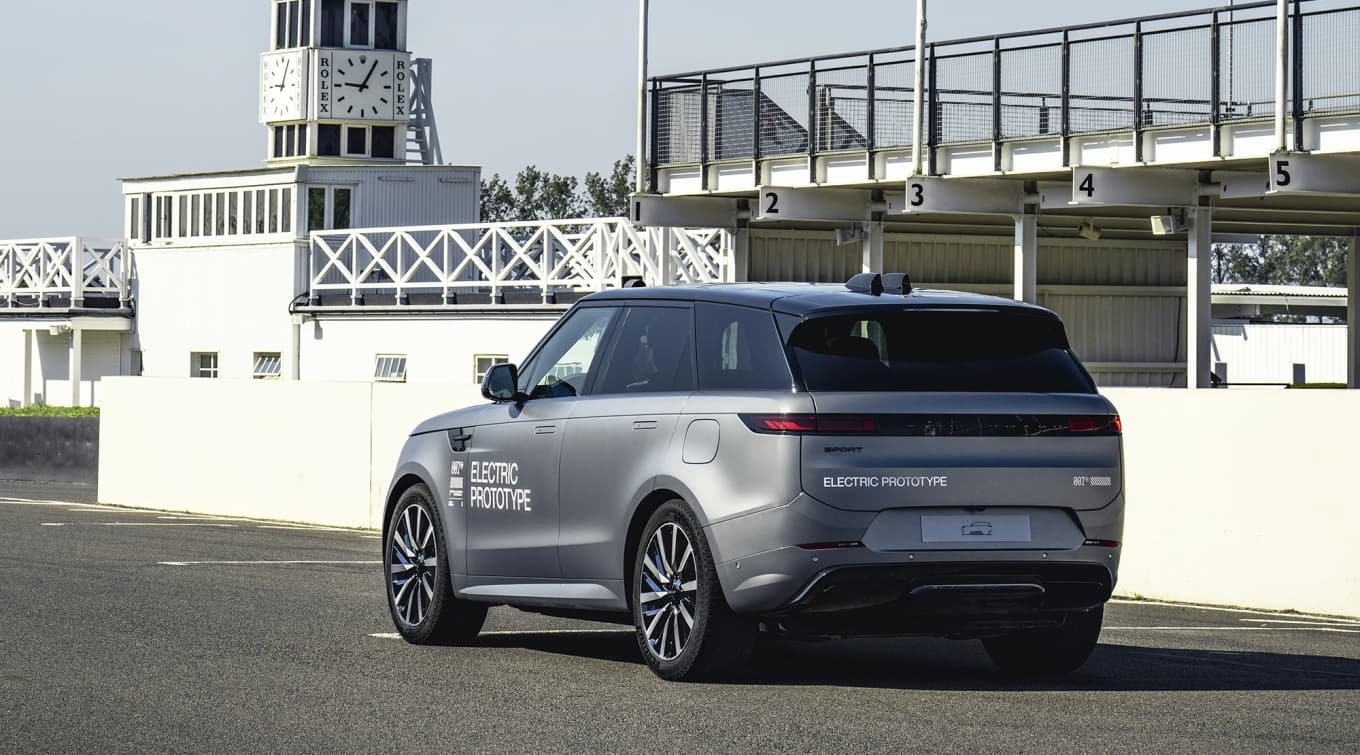
The Federation of Automobile Dealers Associations (FADA) confirms FADA Indian auto sales 2026 are on track to hit a record 32 million units. Read our breakdown.
The Indian automotive industry is officially driving into the history books. According to the latest retail data tracking the market, the country is on track to cross the elusive 30 million milestone for the first time, with projections strongly pointing toward a massive 32 million units record auto sales in 2026.
This unprecedented surge marks a monumental double-digit growth trajectory compared to the 28.2 million units clocked in the previous calendar year. Propelled by robust macroeconomic factors, aggressive rural market recovery, and landmark policy shifts like the long-term stabilization of GST 2.0 reforms, India has solidified its position as a global automotive powerhouse.
Why FADA Indian Auto Sales 2026 Are Breaking Records
The momentum behind FADA Indian auto sales 2026 is not an overnight phenomenon. Cumulative retail vehicle sales had already breached 26.6 million units by the end of October, setting up an explosive final quarter heavily backed by shifted festive calendars and favorable financial conditions.
| India Vehicle Retail Sales Comparison | Total Units Sold |
|---|---|
| 2025 Retail Totals | 28.2 Million Units |
| 2026 Projected Forecast | 32.0 Million Units (Record) |
1. The Historic 5-Million Passenger Vehicle Milestone
For the first time in a single calendar year, passenger vehicles (PVs) are projected to comfortably breach the 5 million mark. Industry experts forecast the final PV tally to land near 5.3 million units. Driven by an insatiable consumer appetite for utility vehicles (UVs) and a flurry of high-profile new model launches, car dealerships across urban and rural sectors have recorded massive transaction volumes.
2. Macroeconomic Tailwinds and Interest Rate Cuts
A core catalyst for this historic buying spree is heightened consumer disposable income. The Reserve Bank of India’s aggressive policy moves—including consecutive repo rate reductions—have lowered consumer auto loan rates. Coupled with expansive income tax reforms, buyers have more financial leverage to purchase upgraded vehicle models.
Segment-Wise Analysis: EVs and Commercial Vehicles Outperform
To understand how the market reached 32 million units record auto sales, a close analysis of the individual vehicle segments is essential.
The Explosive Rise of Alternative Fuels and EVs
Electric vehicle (EV) penetration has scaled rapidly, emerging as a primary volume driver for the year. In October alone, EV retail sales hit an all-time high of approximately 3.55 lakh units, marking a staggering 44.88% year-on-year growth.
Commercial Vehicles Reflect Core Economic Strength
While passenger vehicle buying can be seasonal, the Commercial Vehicle (CV) segment provides an unvarnished look at India’s industrial health. The CV segment hit record highs, led by a spectacular 28.95% surge in Heavy Commercial Vehicles (HCVs). Sustained infrastructure execution, intensive freight movement, e-commerce cargo demand, and core haulage requirements have forced logistics operators into widespread fleet replacement cycles.
What the Experts Say: Navigating the Festive Wave
Reflecting on the record-breaking trajectory of the FADA vehicle retail sales data, FADA President Sai Giridhar emphasizes that the structural growth of the Indian automotive industry remains incredibly healthy, despite temporary calendar anomalies.
“We are going to cross 30 million for the first time… The sequential growth is an accurate indicator of sustained festive demand. The upcoming festive peaks will support retail expansion and help stabilize inventory levels to optimum numbers by the close of the calendar year.” – FADA President Sai Giridhar
Managing the Supply-Demand Dynamics
Despite the blazing sales figures, FADA notes that certain constraints remain. Passenger vehicle dealer inventory hovered between 43–45 days entering the final stretch of the year. While demand for premium utility vehicles and electric models outstrips supply, entry-level passenger cars continue to witness relatively subdued traction, hinting at a distinct K-shaped demand curve in urban areas.
Conclusion: A Defining Year for India’s Auto Industry
The FADA Indian auto sales 2026 report proves that the domestic market has decoupled from minor global contractions to chart its own course. Crossing the 32 million milestone is no longer a distant ambition; it is a reality anchored by structural economic reforms, a powerful shift toward green mobility, and robust consumer confidence spanning from urban metros to rural centers. As alternative fuels take over the majority market share and financial policies continue to favor the buyer, India’s auto sector is positioned for multi-year expansion.